
FalconPoint Inspections LLC
Last Updated: November 12, 2026
Quick Summary
Most home inspection mistakes happen before the inspector arrives, including scheduling too late, skipping the inspection to make an offer more competitive, and not attending the visit. Avoiding them takes planning, clear access to the systems inspectors need, and a clear understanding that a visual inspection does not find every problem.
- Schedule the inspection early enough to book, perform, and review it before contract deadlines pass.
- Attend the inspection so the inspector can explain findings in person.
- Clear access to the electrical panel, water heater, furnace, attic, and crawlspace before the visit.
- A clean report does not mean no problems, since only accessible and visible areas are reviewed.
- Sellers can use a pre-listing inspection to address concerns before negotiations begin.
Table of Contents
- Common Home Inspection Mistakes Colorado Buyers and Sellers Make
- How to Prepare for a Home Inspection Before the Day Arrives
- Home Inspection Checklist for Buyers: What to Do Before You Schedule
- Colorado Environmental Factors That Shape What an Inspection Can Find
- Home Inspection Red Flags and How to Judge Their Severity
- Inspection Scope, Exclusions, and When Specialist Evaluations Make Sense
- Seller Repairs After Home Inspection: Negotiating What Comes Next
- Book Your FalconPoint Inspection and Move Forward With Clear Information
- Frequently Asked Questions
Common Home Inspection Mistakes Colorado Buyers and Sellers Make
Most home inspection mistakes happen before the inspector ever arrives. Buyers often schedule too late in the contract period, skip the inspection to win a bidding war, or attend without knowing what the visit covers. Sellers make their own errors, such as ignoring an obvious problem before listing and then being surprised when a buyer’s inspector raises it.
Here are the mistakes we see most often:
- Waiting too long to schedule. Inspections need time to be booked, performed, and reviewed before contract deadlines pass. Scheduling in the final days leaves little room to negotiate or walk away.
- Skipping the inspection to make an offer more competitive. Waiving an inspection removes your best chance to learn about the property’s observable condition before you commit.
- Not attending the inspection. Walking the property with the inspector explains findings far better than a written report alone.
- Assuming a clean report means no problems. A visual, non-invasive inspection only covers what is accessible and visible on the day of the visit.
- Misreading the scope. Many people expect an inspection to certify code compliance or find every defect. It does neither, and the report will say so.
- Sellers hiding known issues. A pre-listing inspection lets you address concerns on your own terms instead of during negotiations.
- Ignoring access limitations. Locked rooms, storage-filled crawlspaces, and winter snow cover all restrict what an inspector can see. Note these limitations and plan accordingly.
Each of these mistakes is simple to fix once you know it exists.
How to Prepare for a Home Inspection Before the Day Arrives
Preparation is where most inspection mistakes are actually prevented. A well-prepared property gives the inspector more to see, shortens the visit, and produces a report you can act on. A poorly prepared one produces limitations, callbacks, and uncertainty. The steps below work for buyers, sellers, homeowners, and property managers alike.
Confirm the logistics first
Confirm the appointment window, the expected duration, and who will attend. Ask whether the inspector needs gate codes, lockbox information, or parking instructions. If the property is occupied, coordinate with the seller or tenant so access is not a surprise. Confirm whether the inspector will need to access the roof, attic, crawlspace, and garage, and clear a path to each.
Clear access to the systems inspectors need to see
An inspector can only report on what is accessible. Before the visit, clear and unlock:
- The electrical panel and any subpanels
- The water heater, furnace, and air handler
- The attic access hatch and a safe path to it
- The crawlspace or basement access
- The main water shutoff and gas shutoff
- Gates to side yards, detached garages, and outbuildings
Move stored boxes, furniture, and debris away from these areas. If a crawlspace is packed with storage, the inspector may not be able to enter safely, and the report will say so.
Gather documents that give context
Sellers and homeowners should collect recent repair receipts, warranty paperwork, permits for finished work, roof and foundation documentation, and any HOA or utility records that affect the property. These records help the inspector interpret what is visible and often answer questions before they appear in the report. Buyers should ask the seller or agent for the same documents in advance.
Bring a written list of questions
Arrive with specific questions about the systems you rely on: how the sprinkler zones are controlled, where the main water shutoff is, how old the roof and HVAC equipment are, whether the sump pump has been serviced, and whether any past water intrusion was repaired. Write them down so you do not forget in the middle of the walkthrough.
Prepare the property for a safe, complete visit
Secure pets, clear vehicles from the driveway, and make sure utilities are on so the inspector can test systems. In winter, clear a path to exterior components and note where snow or ice may limit visibility.
Watch out: Scheduling the inspection before utilities are transferred or turned on can prevent the inspector from testing the furnace, water heater, and electrical system, which may require a return visit.
Know what to expect on the day
Plan for several hours on a typical single-family home, longer for larger or older properties. Attend if you can, take notes, and ask the inspector to explain anything you do not understand in plain language. The goal is not to memorize the report but to leave with a clear picture of the property’s observable condition and the next steps that follow.
Home Inspection Checklist for Buyers: What to Do Before You Schedule
Before you book an inspection, work through a short checklist. Confirm your contract’s inspection deadline so you know how much time you have.
Next, decide what you want the inspection to cover. Compare FalconPoint’s independent home inspections in Englewood, Colorado to see how scope is explained.
Finally, gather your questions and set a budget for repairs. Knowing your limits in advance helps you interpret findings calmly once the report arrives.
Colorado Environmental Factors That Shape What an Inspection Can Find
Colorado’s climate and geology create conditions that show up in nearly every inspection. Understanding them helps you read a report with context. Local factors that frequently matter include expansive soils, freeze-thaw cycles, sun and hail exposure on roofing, and the limits that winter weather places on what can be seen.
Expansive Soils and Foundation Movement
Many Front Range properties sit on clay-rich soils that swell when wet and shrink when dry. To learn more about spotting these issues, read how to identify foundation problems in your home.
A visible crack is not automatically a serious structural failure. Many cracks are cosmetic, while others point to movement that deserves a closer evaluation by a qualified structural professional.
Freeze-Thaw Cycles, Roof Wear, and Winter Limitations
Colorado’s repeated freeze-thaw cycles stress masonry, concrete flatwork, and exterior paint, and they can worsen small cracks over successive winters.
Winter inspections also have real limits. Snow and ice can cover roofs, yards, and exterior components, and frozen ground can hide drainage problems. Roofs that are unsafe to walk are still inspected from accessible eaves, windows, the ground, and other safe viewpoints.
Home Inspection Red Flags and How to Judge Their Severity
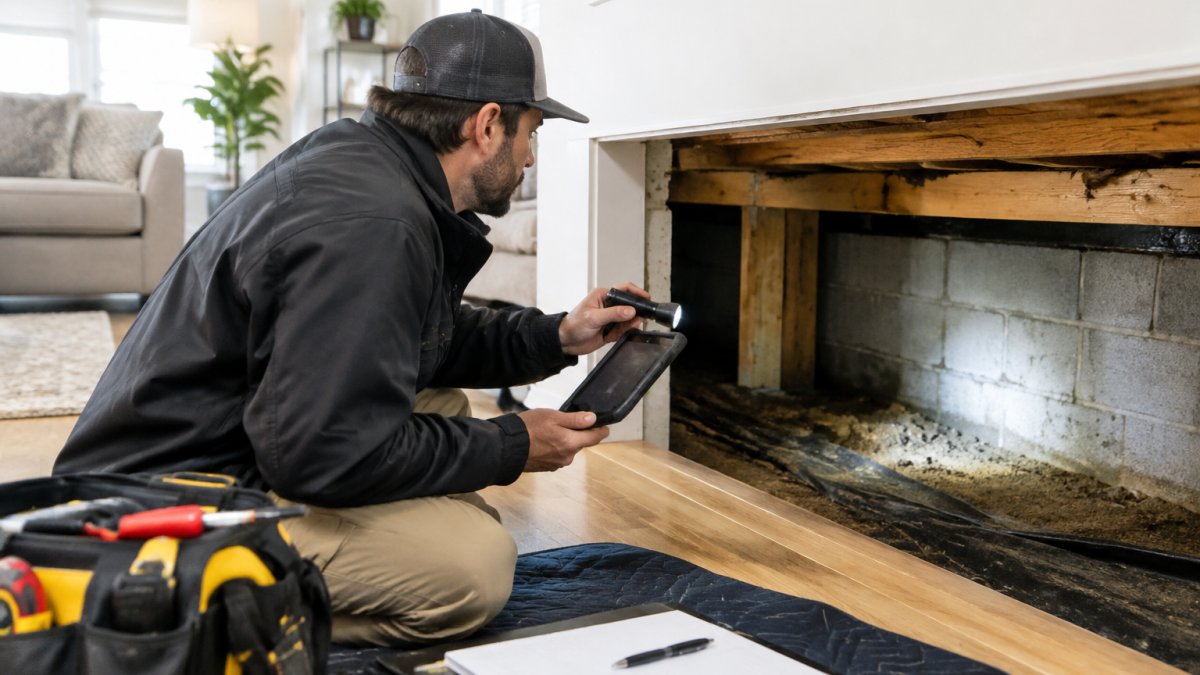
A report full of findings can feel overwhelming, but not every item carries the same weight. The most useful skill a buyer or seller can develop is separating safety hazards and major defects from maintenance items and cosmetic observations, then deciding what to do next within the contract timeline. This is where good decisions are made.
Start with a simple severity framework
Findings are often grouped into four practical tiers:
- Safety hazards. Conditions that could injure someone or cause immediate harm, such as exposed wiring, a failed electrical component, a gas leak, a blocked flue, or a missing handrail on a high deck. These deserve prompt attention and often a specialist evaluation.
- Major defects. Significant structural movement, active water intrusion, a roof at the end of its service life, or a failing heating system. These are expensive or disruptive to correct and usually belong in the negotiation.
- Maintenance items. Worn caulking, loose gutters, aging weatherstripping, or a dirty filter. These are normal for any home and can usually be handled after closing.
- Cosmetic observations. Scuffed paint, dated fixtures, or worn flooring. These are not defects and rarely belong in a repair request.
Read the inspector’s language carefully
Inspectors use consistent phrasing to signal severity. Phrases such as “recommend further evaluation by a qualified specialist” mean a closer look is warranted before you commit. Language like “monitor” suggests a condition that is not urgent but should be watched. Items described as routine maintenance can usually wait. When in doubt, ask the inspector to clarify what they meant.
Prioritize by safety first, then by cost of delay
Water intrusion and electrical hazards typically come first because they worsen quickly and can cause secondary damage. Structural concerns come next because they affect the whole property. Roof and HVAC issues follow because they are expensive and affect comfort and insurability. Cosmetic items come last. This ordering helps you decide what to request from the seller, what to budget for, and what to monitor over time.
Tie findings to your contract timeline
Most contracts include an inspection period and an objection or response deadline. As soon as the report arrives, review it against that deadline so you have time to obtain estimates, ask follow-up questions, and decide whether to request repairs, a credit, or a price adjustment.
Watch out: Waiting until the final day of the inspection period to review the report leaves no time to get a specialist opinion or a repair estimate, which can force a rushed decision.
Know when a specialist evaluation makes sense
Some findings call for expertise beyond a general inspection, such as a structural engineering assessment for significant movement, a sewer scope for a line of unknown condition, or radon testing for a home in a higher-risk area. If your inspector identifies a reason to pursue a specialist evaluation, the report will note it so you can act before your deadline.
Use the report to drive the next conversation
Bring the prioritized findings to your agent and, if you are selling, to your own planning. Clear, specific findings make negotiations more productive because both sides can see exactly what was observed. The goal is not to win every item but to make an informed decision about the property’s observable condition and the risks you are willing to accept.
Inspection Scope, Exclusions, and When Specialist Evaluations Make Sense
A home inspection is a visual, non-invasive review of accessible systems and components on the day of the visit.
Some concerns call for specialist evaluations beyond a general inspection, such as structural engineering assessments, sewer scopes, radon testing, or mold testing. If your inspector identifies a reason to pursue one of these, the report will note it.
The table below summarises what a standard home inspection does and does not cover.
| Topic | Standard inspection | Why it matters |
|---|---|---|
| Type of review | Visual, non-invasive | Only accessible, visible areas are reviewed |
| Walls and areas behind finishes | Not seen | Inspectors cannot see inside walls |
| Code compliance | Not certified | The report does not certify compliance |
| Locked or blocked areas | Not inspected | Access limits shape what is reported |
| Specialist concerns | Noted in report | Structural, sewer, radon or mold issues may need a specialist |
Seller Repairs After Home Inspection: Negotiating What Comes Next
Once the report arrives, buyers and sellers typically negotiate. Buyers may request repairs, a credit at closing, or a price adjustment. Sellers can agree, decline, or offer a partial solution.
Sellers who address known concerns before listing often avoid last-minute surprises. A pre-listing inspection gives you a chance to make repairs, gather documentation, and set realistic expectations. Whatever you decide, keep records of completed work so future buyers and inspectors have the same information you do.
Book Your FalconPoint Inspection and Move Forward With Clear Information
Ready to schedule? You can book your FalconPoint inspection online or call us to discuss your property and timeline.
Frequently Asked Questions
How long does a home inspection take?
Most single-family home inspections take several hours, depending on the property’s size, age, and condition.
Should I attend the home inspection?
Attending is strongly recommended.
Does a home inspection find every problem?
No.
Can I inspect a home in winter?
Yes, but snow, ice, and frozen ground can limit what is visible.
Frequently Asked Questions
What is the biggest red flag in a home inspection?
There is no single universal red flag, but findings that often warrant closer attention include active water intrusion, signs of structural movement such as sloping floors or stair-step cracking in masonry, and aging roofing that shows widespread wear. In Colorado, expansive soils and freeze-thaw cycles can contribute to foundation and exterior concerns. A home inspection is a visual, non-invasive assessment and cannot find every defect, so a qualified specialist may be needed to evaluate a concern further. Buyers should read the full report and discuss priorities with their inspector.
What should buyers do before a home inspection?
Before the inspection, buyers should review the purchase agreement’s inspection contingency deadline, confirm the appointment, and arrange access to the property, including utilities being on. Attending the inspection is helpful, because the inspector can explain observations in person. Buyers should prepare a list of questions about the home’s age, prior repairs, and maintenance history. Clearing the property of heavy stored items around the foundation, electrical panel, and water heater helps the inspector reach key areas. Reviewing the scope of the inspection in advance also prevents surprises about what is and is not included.
Does the seller have to pay for repairs if an inspection finds problems?
Not automatically. Whether a seller pays for repairs depends on the purchase contract, the negotiation between buyer and seller, and the outcome of the inspection contingency period. Common options include the seller completing agreed repairs, providing a credit at closing, reducing the price, or the buyer accepting the home as is. Sellers who understand the report in advance often negotiate more productively. Working with a real estate professional on the wording of any repair request is a practical step.
What should buyers do after receiving a home inspection report?
After receiving the report, buyers should read it in full, including photographs and the summary, and note items that affect safety, structure, water, or major systems. Asking the inspector to clarify severity and recommended next steps helps separate urgent concerns from maintenance items. If a finding suggests a specialist, buyers can arrange that evaluation within the contingency period. Buyers then decide whether to request repairs, a credit, or a price adjustment, or to proceed. Keeping communication with the agent organized and within deadlines protects your options.
Should buyers attend the home inspection?
Yes, when possible. Attending lets you see the property’s condition firsthand, ask questions as the inspector works, and understand the location of key components such as the main water shutoff, electrical panel, and heating equipment. Inspectors can explain observations in plain language on site, which often makes the written report easier to use. Attending does not replace reading the full report afterward, since the written document is the lasting record of what was observed and what was not accessible.
How do Colorado conditions affect a home inspection?
Colorado’s climate and soils create specific concerns. Expansive clay soils can cause foundation movement and cracking as they swell and shrink with moisture. Freeze-thaw cycles can stress concrete, masonry, and roofing materials over time. Hail exposure may affect roofing and exterior surfaces. Winter inspections can be limited by snow cover on roofs, frozen ground, and restricted access to exterior areas. Inspectors describe these conditions where they are visible and note access limitations in the report.
What is not included in a standard home inspection?
A standard home inspection is a visual, non-invasive review of accessible areas. It generally does not include disassembling systems, moving personal belongings, opening walls, or testing for conditions that require specialized equipment or laboratory analysis. It also does not certify code compliance, guarantee safety, or predict future performance. Roofs that are unsafe to walk are still inspected from accessible eaves, windows, ground locations, and other safe viewpoints, and the report documents any limitations. Ask your inspector to review the scope and exclusions before the appointment.
How can I be sure my home inspector is independent?
An independent inspector works for the client who hires them, not for the real estate agent or the seller. Look for clear reporting standards, plain-language observations, documented access limitations, and photographs tied to specific findings. Ask how the inspector is compensated, whether they recommend specific contractors, and what insurance they carry. FalconPoint Inspections LLC is insured for professional liability (E&O) and general liability, and provides unbiased information without sales pressure. To schedule an inspection, book online or call the team.
