
FalconPoint Inspections LLC
Last Updated: November 19, 2026
Quick Summary
A rental property condition report is a written, room-by-room record of a unit’s condition at a specific point in time. Landlords usually complete one at move-in and again at move-out, documenting walls, floors, fixtures, appliances, and exterior areas with photos and short notes.
- Most landlords complete a report at move-in and move-out, and many add a mid-lease check.
- Rate each area Good, Fair, Poor, or Damaged, and pair each rating with a one-line note.
- Date-stamp photos and tie each photo number to its matching checklist line.
- Record good condition as well as problems, so the report gives a clear baseline.
- Compare move-in and move-out reports side by side and share a copy with the tenant.
Table of Contents
- What a Rental Property Condition Report Is and Why Landlords Need One
- Rental Walkthrough Checklist PDF: Room-by-Room Inspection Areas
- Rental Property Condition Report Template and Documentation Workflow
- Yearly Rental Inspection Checklist and Colorado Seasonal Factors
- Tenant Walk Through Checklist PDF: Getting Tenant Sign-Off on Move-In
- Book a Condition Assessment for Your Rental With FalconPoint
- Frequently Asked Questions
What a Rental Property Condition Report Is and Why Landlords Need One
A rental property condition report is a written, room-by-room record of a unit’s condition at a specific point in time.
Good documentation protects both sides. It gives landlords a clear baseline when deciding whether a deduction from a security deposit is reasonable.
Our approach is to describe only what can be observed, note access limitations, and separate general observations from items that may need a qualified contractor’s review.
Keep in mind that the rules on deposits, notice periods, and documentation vary and can change.
Rental Walkthrough Checklist PDF: Room-by-Room Inspection Areas
A checklist keeps the walkthrough consistent from one unit to the next. Work through the property in the same order every time, so nothing gets skipped.
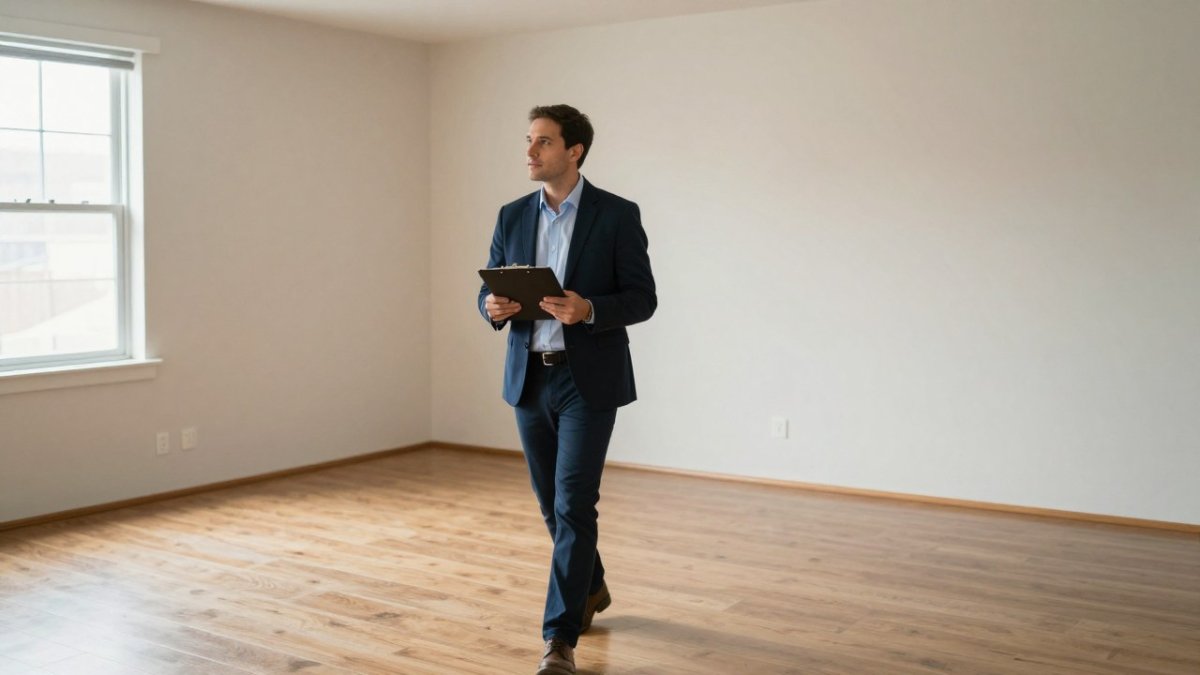
A practical rating scale most landlords find workable is a four-point system: Good (no issues), Fair (cosmetic wear only), Poor (functional concern that needs attention), and Damaged (broken, missing, or unsafe). Pair each rating with a one-line note and a photo reference number.
- Entry and living areas: doors, locks, deadbolts, doorstops, walls, ceilings, baseboards, flooring, windows and screens, window locks, outlets, light switches, and smoke and carbon monoxide alarms
- Kitchen: cabinets and drawer fronts, countertops, backsplash, sink and faucet, garbage disposal, range and hood, refrigerator, dishwasher, and visible supply lines under the sink
- Bathrooms: toilet (seat, tank, base), tub or shower surround, caulking and grout, vanity and sink, mirror, exhaust fan, and visible water staining
For each area, record the condition in plain words, such as “good,” “minor scuffs,” or “stain on carpet, approximately 6 inches.” Specific descriptions are far more useful than general ones. A note like “caulk cracked at tub edge, roughly 8 inches” tells a future reader exactly what was seen; “bathroom okay” does not.
Exterior and Common-Area Checks
Don’t stop at the unit door. Check the building exterior, walkways, stairs, railings, parking area, and shared laundry or storage spaces if they apply to the tenant. Note the condition of the roof as seen from the ground or accessible viewpoints, gutters, and visible siding or paint.
In Colorado, expansive soils and freeze-thaw cycles can cause foundation movement, cracked walkways, and damaged exterior concrete. Note these conditions when you see them.
Recording Existing Damage and Wear
Document every existing mark before the tenant moves in. Take date-stamped photos of each wall, floor, and fixture, and include close-ups of anything already damaged.
Distinguish between normal wear and damage using concrete examples by surface:
- Paint and walls: fading, minor scuff marks, and small nail holes from picture hanging are typically wear; large holes, crayon or marker on walls, and unrepaired gouges usually are not.
- Flooring: light carpet traffic patterns and minor finish wear on hardwood are typically wear; pet stains, burns, tears, and water damage usually are not.
- Countertops and cabinets: minor surface scratches are typically wear; chips, burns, and broken hinges or drawer fronts usually are not.
Describing the difference clearly helps keep deposit decisions defensible.
Watch out: a checklist that only records problems and skips the items in good condition gives a future reader no baseline, so note the good condition too.
The four-point rating scale below gives each area a consistent condition label, so reports stay comparable across units and over time.
| Rating | Meaning | Example |
|---|---|---|
| Good | No issues | Surfaces clean and working |
| Fair | Cosmetic wear only | Minor scuffs or fading |
| Poor | Functional concern needing attention | Fixture not operating properly |
| Damaged | Broken, missing, or unsafe | Cracked sink or missing parts |
Rental Property Condition Report Template and Documentation Workflow
A simple template should include the property address and unit number, the inspection date, the names of the landlord and tenant, a room-by-room condition section with the rating scale, a photo index, a limitations section, and signature lines for both parties. Add a short field for access limitations, for example, areas that could not be seen, so the report is honest about what it does and does not cover.
A practical workflow looks like this:
- Complete the checklist walkthrough and take photos during the walk.
- Write condition notes the same day, while details are fresh.
- Store the report and photos together in one folder, labeled by unit and date.
- Share a copy with the tenant and keep the signed original.
- Repeat the process at move-out and compare the two reports side by side.
Building an Evidence Workflow That Holds Up
Photos are only useful if they can be tied back to a specific checklist line. A simple evidence workflow most landlords find workable looks like this:
- Label every photo with the room and item, using a consistent pattern such as “Unit 4B – Kitchen – Sink – 03.” The number matches the checklist line.
- Timestamp photos using the camera’s date and time setting, and confirm the setting is correct before the walk.
- Keep a photo index at the end of the report that lists each photo number, the room, the item, and a one-line description.
For digital recordkeeping, keep a master template with version control, for example, “Condition Report Template v3”, so you know which version a given report used. If you collect e-signatures, confirm the service you use produces a signed copy you can store with the report. Retention practices vary; check current state and local requirements before setting a policy.
Scoring Severity and Prioritizing Repairs
A consistent rating scale makes reports more actionable and comparable over time. Pair the four-point condition rating with two short fields: urgency (routine, soon, or immediate) and responsibility (landlord, tenant, or shared).
Watch out: a report that mixes cosmetic notes and safety concerns in one undifferentiated list makes it easy to miss the item that actually needs a contractor’s review, so separate safety-related observations from cosmetic ones.
For reference, you can review a sample inspection report to see how findings are typically organized and documented.
Yearly Rental Inspection Checklist and Colorado Seasonal Factors
Many landlords schedule a yearly inspection in addition to move-in and move-out checks. A yearly visit helps catch small problems, such as a slow drain or worn weatherstripping, before they become costly repairs.
Seasonal factors matter in Colorado. Before winter, check exterior faucets, gutters, and downspout drainage. Before spring, look for freeze damage on walkways and siding. Summer inspections often reveal HVAC performance issues that were hidden during milder months.
Tenant Walk Through Checklist PDF: Getting Tenant Sign-Off on Move-In
Walk through the property with the tenant on move-in day.
Clear sign-off prevents later disagreement. Tenants who take part in the walkthrough are more likely to agree on the starting condition and less likely to challenge deductions later.
If you want a ready-made form to pair with this step, a move-in inspection checklist can help you cover each room the same way every time.
Book a Condition Assessment for Your Rental With FalconPoint
If you’d rather have an independent, documented condition assessment done for your rental, request a property condition report from FalconPoint Inspections LLC. Our reports use plain-language observations, photographs, and clearly noted access limitations, so you know exactly what was seen and what wasn’t. You can book professional property inspection in Lakewood online or by phone.
Ready to document your rental with confidence? Book your assessment with FalconPoint Inspections LLC today, online or by calling our office.
Frequently Asked Questions
What is the difference between a move-in and move-out inspection?
A move-in inspection records the property’s condition before a tenant takes occupancy, while a move-out inspection records it after the tenant leaves. Comparing the two reports helps landlords and tenants see what changed during the lease. Using the same checklist, photographing the same areas, and dating every entry makes the comparison clear. The move-in report is the baseline, so it should be completed carefully and signed by both parties before keys change hands.
Should tenants sign a rental property condition report?
Yes. A signed report gives both parties a shared record of the property’s condition at the start of the lease. Tenants can note anything they disagree with before signing, which prevents later disputes over pre-existing damage. Many landlords ask tenants to return a copy within a set number of days. Keep the signed original with the lease file and give the tenant a copy. Check your state and local requirements for timing and deadlines, since these vary.
How often should a landlord inspect a rental property?
Many landlords inspect a rental once a year, typically with advance written notice as required by the lease and applicable law. A yearly inspection catches maintenance issues such as worn seals, failing water heaters, or roof wear before they become costly. In Colorado, expansive soils, freeze-thaw cycles, and winter conditions can all affect a property, so an annual review is a useful habit. Each inspection should follow the same checklist so results can be compared over time.
What should a landlord include in a rental property condition report?
A thorough report covers the property address and unit number, the date, the names of the landlord and tenant, and a room-by-room review of walls, floors, ceilings, doors, windows, fixtures, appliances, plumbing, and heating. It should also include exterior and common-area notes, meter readings where relevant, and dated photographs of existing damage. Use plain descriptions such as scratched, stained, or working, and avoid guessing at causes. Both parties should sign and date the finished document.
