
FalconPoint Inspections LLC
Last Updated: November 14, 2026
Quick Summary
A pre-listing home inspection checklist is a seller’s room-by-room guide to the visible condition of a home before it goes on the market. This 2026 pre-listing home inspection checklist covers the visible areas a buyer’s inspector will typically review, starting outside and then working inward.
- Check the roof and flashing for loose shingles, worn seals, and stains at penetrations.
- Get foundation cracks, efflorescence, musty odors, and moisture stains assessed before listing.
- Repair active plumbing leaks, slow drains, and low water pressure before the inspection.
- Colorado’s freeze-thaw cycles widen gaps, loosen caulk, lift paint, and open hairline concrete cracks.
- Clear storage from the attic hatch, electrical panel, and water heater three days out.
Table of Contents
- Your 2026 Pre-Listing Inspection Checklist: Room by Room
- How to Prepare Your House for Sale Before the Inspector Arrives
- Home Inspection Red Flags Sellers Should Fix First
- Frequently Asked Questions
Your 2026 Pre-Listing Inspection Checklist: Room by Room
A pre-listing home inspection checklist is a seller’s room-by-room guide to the visible condition of a home before it goes on the market. This 2026 pre-listing home inspection checklist covers the visible areas a buyer’s inspector will typically review. Start outside, then work inward.
| Area | What to Check | Fix Before Listing? |
|---|---|---|
| Roof and flashing | Loose shingles, worn seals, stains at penetrations | Yes, if visible from the ground |
| Foundation and basement | Cracks, efflorescence, musty odors, moisture stains | Get it assessed first |
| Plumbing | Leaks under sinks, slow drains, low water pressure | Yes, for active leaks |
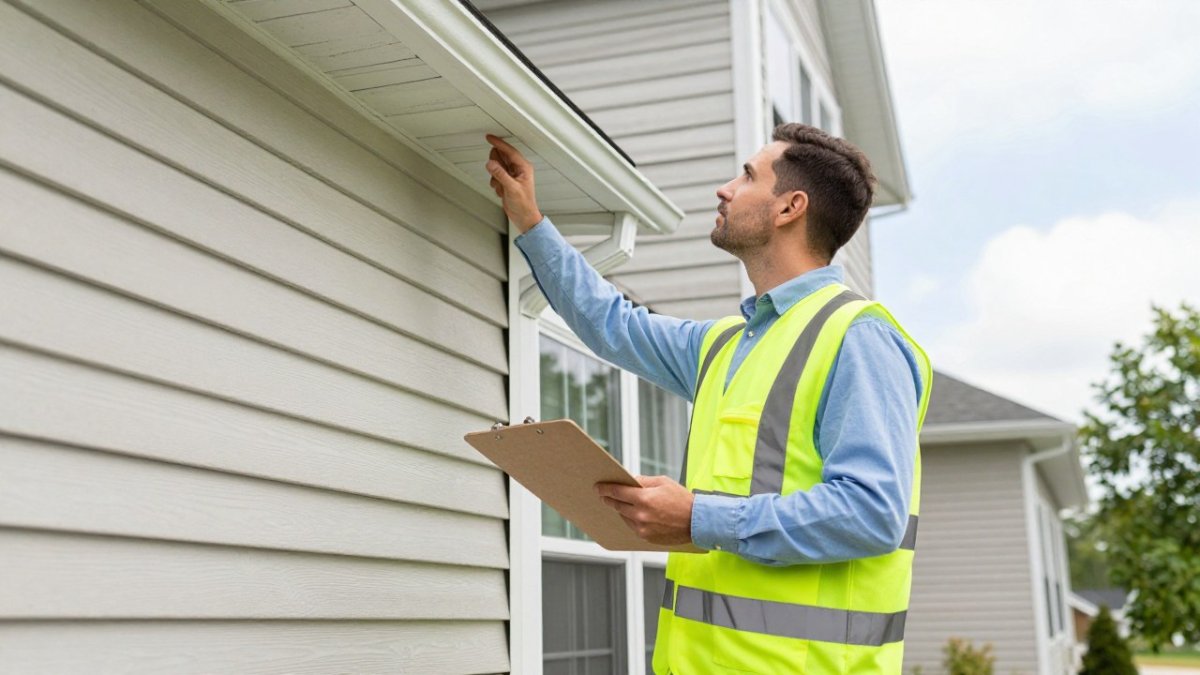
Colorado’s freeze-thaw cycles deserve their own line on any seller checklist. Water works into small gaps, freezes, expands, then thaws and leaves the gap wider, loosening caulk, lifting paint at trim joints, and opening hairline cracks in concrete. A buyer’s inspector will photograph them, so it helps to see them first.
If you would rather have a professional walk the property, review the inspection services we offer for sellers. When ready, book a FalconPoint inspection online.
How to Prepare Your House for Sale Before the Inspector Arrives
Preparation is mostly about access, since an inspector can only report on what can be seen and reached. Two weeks out, note known issues and gather repair receipts, permits, and manuals; one week out, replace furnace filters, test detectors, and fix dripping faucets; three days out, clear storage from the attic hatch, electrical panel, and water heater. The day before, move pets, unlock gates, and confirm utility service is on; on the day, leave keys or access codes, clear the driveway, and plan to be away.
A common mistake is leaving the electrical panel blocked by shelving or boxes. The inspector will note it as inaccessible, and that note follows the report into negotiations. The same applies to a buried crawlspace hatch.
Sellers often ask how long a home inspection takes. Inspection length depends on the property, so timing is confirmed when you book. To know what happens during that window, read what to expect during a home inspection.
Home Inspection Red Flags Sellers Should Fix First
Not every finding deserves a repair before listing. Prioritize by safety, water, and structural movement: safety items first because they are cheap to fix and expensive to explain, water intrusion second because it spreads and stains, and structural movement third because it needs a professional opinion. Repair active leaks, missing outlet covers, loose deck rails, and inoperable detectors now; get foundation cracks, bowed basement walls, and sticking doors assessed; disclose older cosmetic wear and aging but functioning systems.
Foundation concerns are a frequent focus for buyers, and Colorado’s expansive soils make them worth understanding early. Our guide on how to identify foundation problems explains visible warning signs. Once you have a report, these steps to read a home inspection report help you sort findings by urgency.
Your house does not need to be perfect to sell, but the surprises should be yours rather than a buyer’s. A pre-listing inspection is a visual, non-invasive look at the observable condition of the property, and it documents what could not be reached as clearly as what could. FalconPoint Inspections LLC provides property-specific photographs, plain-language observations, and documented access limitations to help you understand the observable condition of your property. Schedule an inspection to get an unbiased report before your listing goes live.
Frequently Asked Questions
What is the biggest red flag in a home inspection?
Structural concerns top the list: foundation cracks, sagging floors, and roof damage that points to water intrusion. In Colorado, expansive soils and freeze-thaw cycles can worsen foundation movement, so those findings get close attention. Plumbing leaks, outdated electrical panels, and HVAC failures are also common deal-breakers. A pre-listing inspection lets you find these issues on your own timeline rather than during buyer negotiations.
How long does a home inspection take, and how should sellers prepare?
FalconPoint confirms inspection timing when you book. Before the visit, clear access to the electrical panel, HVAC equipment, attic hatch, and water heater. Make sure utilities are on and pets are secured.
Should sellers fix everything on a pre-listing inspection report?
No. Prioritize safety hazards, active water damage, and items likely to scare buyers, such as roof leaks or failing HVAC. Minor cosmetic issues can stay as-is or be disclosed. For each finding, decide to repair, disclose, or leave it, weighing cost against buyer impact. Your report documents the visible condition so you can make that call with clear information instead of guesswork.

Last Updated: November 1, 2026
Quick Summary
During a home inspection, the inspector arrives, examines the house from roof to foundation, and delivers a written report with photographs. The visit follows a repeatable route, starting outside with the roof, siding, grading, drainage, and foundation, then moving inside to the major systems and interior rooms. The inspection is a non-invasive visual assessment of the property’s major systems and structural components.
- The inspector needs a clear path to the electrical panel, attic hatch, furnace, and water heater.
- Inside, the inspector works through heating, cooling, plumbing, and electrical systems first.
- The written report should include property-specific photographs, plain-language observations, and any access limitations.
- Duration depends on the size, age, and condition of the property.
- Read the report summary first for safety issues and major defects, then the detail.
Table of Contents
- What to Expect During a Home Inspection: A Step-by-Step Walkthrough
- What Does a Home Inspection Include? A System-by-System Breakdown
- How Long Does a Home Inspection Take?
- How to Prepare for a Home Inspection
- Home Inspection Report Examples: How to Read What You Receive
- What Inspectors Do Not Inspect
- Costs and Optional Specialist Inspections
- After the Inspection: Negotiations and Next Steps
- Frequently Asked Questions
What to Expect During a Home Inspection: A Step-by-Step Walkthrough
Knowing what to expect during a home inspection turns one of the most nerve-wracking days of a home purchase into a manageable, predictable appointment. A home inspection is a non-invasive visual assessment of the property’s major systems and structural components, performed to identify visible defects and potential safety hazards before you commit. The process is more straightforward than most people fear.
Here is the short version: the inspector arrives, examines the house from roof to foundation, and delivers a written report with photographs. Below, we break down each stage so you know precisely what happens, when, and why.
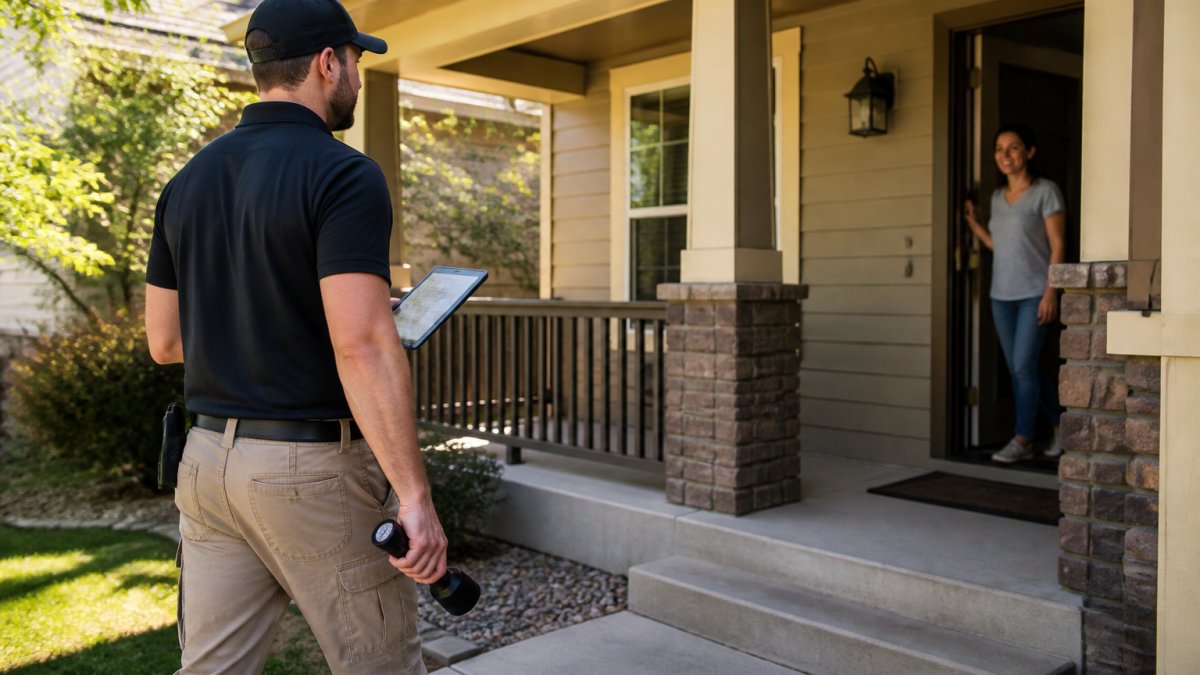
Before the Inspector Arrives
Preparation starts with access. The inspector needs a clear path to the electrical panel, the attic hatch, the furnace, and the water heater. Move boxes, unlock gates, and make sure pets are secured or removed from the property.
Confirm three details in advance: the appointment window, whether anyone needs to be present, and how the report will be delivered.
The On-Site Inspection, Room by Room
The visit follows a repeatable route. The inspector starts outside, examining the roof from the ground or with binoculars where safe access is unavailable, then checks siding, grading, drainage, and the foundation for cracks or sagging.
Inside, the inspector works through the major systems first: heating, cooling, plumbing, and electrical. Then come the interior rooms, where walls, ceilings, floors, windows, doors, locks, and seals get examined for water damage, moisture staining, discoloration, and failed hardware. The inspector will run faucets, flush toilets, test light switches and fans, and open and close windows and doors to evaluate their condition.
After the Walkthrough: Report Delivery
Expect a written inspection report. It should include property-specific photographs, plain-language observations, and a clear note of any access limitations, such as an attic hatch that could not be safely opened or a roof area that was not visible.
Read the summary first, then the detail. Ask questions about anything unclear.
What Does a Home Inspection Include? A System-by-System Breakdown
A standard home inspection covers the visible condition of the structure and its major systems, but it is not a code compliance review or a guarantee. The inspection covers what can be seen and safely accessed on the day of the visit.
If you want the fuller explanation of scope and why access limitations matter, our guide on what a home inspection covers and why it is valuable walks through the fundamentals before you get into the system-by-system detail below.
Structural Components and the Roof
The structural review looks at the foundation, framing where visible, walls, ceilings, and floors for cracks, sagging, or signs of movement. Roof condition gets close attention: roof coverings, shingles, flashing, and visible penetrations are examined for wear, damage, or improper installation.
Watch out: a roof that is not safely walkable will be assessed from the ground or with optics, and the report should say so. That limitation is not a gap in the inspection; it is an honest record of what could be seen.
Heating, Cooling, Plumbing, and Electrical
The heating and cooling systems, often grouped as HVAC, are tested for basic operation. The inspector will check the visible condition of the heating and cooling equipment.
The plumbing and electrical systems are examined for visible defects and potential safety hazards, as far as they can be safely accessed.
Interior Rooms, Windows, Doors, and the Attic
Inside, the inspection looks at walls, ceilings, and floors for visible water damage, moisture, discoloration, and cracks.
The attic and crawlspace, where accessible, reveal insulation levels, ventilation, and evidence of moisture or pest activity. These areas often hold the most useful information about a home’s long-term health.
How Long Does a Home Inspection Take?
A home inspection’s duration depends on the size, age, and condition of the property.
Several factors stretch the timeline:
- Square footage. More rooms mean more to examine.
- Age of the home. Older properties tend to have more quirks and deferred maintenance.
- Access. Locked crawlspaces, blocked attic hatches, and full garages add time.
- Systems count. Two furnaces and two water heaters double the equipment testing.
Consider attending the walkthrough so the inspector can explain key findings.
How to Prepare for a Home Inspection
Preparing well makes the inspection faster and the report cleaner. Here is how to get ready, whether you are the buyer or the seller.
- Clear access to key areas. Unlock the electrical panel, attic hatch, crawlspace door, furnace, and water heater.
- Secure pets. Take dogs and cats off-site or confine them safely.
- Provide gate and lock codes. Leave instructions for any locked gates, sheds, or outbuildings.
- Turn on utilities. Gas, water, and electricity must be on for systems to be tested.
- Move stored items. Clear boxes away from the panel and the furnace.
- Note known issues. Tell the inspector about anything already known, such as a slow drain or a past leak.
- Attend the walkthrough. Bring a notepad and ask questions as findings come up.
Home Inspection Report Examples: How to Read What You Receive
A home inspection report is a written record of the inspector’s observations, organized by system and room, with photographs and plain-language notes. It is not a pass/fail grade; it describes the property’s observable condition at the time of the visit. The skill that matters is sorting findings by severity so you know what to act on, what to monitor, and what to ignore.
Most reports sort observations into four practical buckets:
- Safety issues. Conditions that could injure someone or cause fire or shock, such as missing outlet cover plates, improper wiring, a blocked flue, or a gas smell. These warrant prompt attention and often a licensed specialist.
- Major defects. Items that are expensive to correct or affect the home’s habitability, such as a failing roof, a cracked heat exchanger, or active water intrusion. These are the findings most likely to drive a repair request or credit.
- Maintenance items. Normal wear and deferred upkeep, such as a dripping faucet, a worn caulk line, or a dirty air filter. These are expected in any home and rarely justify a concession on their own.
- Routine observations. Notes on age, materials, and condition with no action required, such as the approximate age of a water heater that is still operating.
Example: a roof finding. “Roof coverings show granule loss and lifted shingles on the south slope; recommend evaluation by a licensed roofing contractor” is a major defect with a clear next step. “Roof appears near end of service life; monitor” is a maintenance note. The wording matters, so read the recommendation line, not just the summary.
Example: a moisture finding. “Staining observed at the ceiling below the upstairs bath; moisture meter reading elevated; recommend further evaluation” points to an active leak. “Old staining, dry to the touch, no active moisture detected” points to a past repair. The inspector’s moisture readings and wording separate the two.
Read the report in three passes. First, scan the summary for safety issues and major defects. Second, read the detailed sections for context and severity. Third, list anything that recommends a qualified contractor for further evaluation and get estimates before you negotiate.
A report that lists many maintenance items is not a bad report. A short report with one safety issue is not a clean bill of health. Judge findings by severity, not by count.
You can review a sample FalconPoint home inspection report to see how findings, photographs, access limitations, and recommendations are documented before your own report arrives.
What Inspectors Do Not Inspect
An inspector does not inspect anything that requires destructive testing, specialized licensing, or access that would be unsafe. That boundary protects both the property and the accuracy of the report.
Common exclusions include:
- Inside chimneys and flues
- Septic systems and wells beyond visible components
- Swimming pools and spas
- Underground piping and sewer lines
- Hidden electrical wiring inside walls
- Asbestos, mold, and radon testing
- Structural engineering assessments
When the inspector flags a concern in one of these areas, the next step is a specialist. That is not a shortcoming; it is how a visual assessment stays honest about its limits.
Costs and Optional Specialist Inspections
Pricing depends on the property and any add-on services you order. For current prices, see the FalconPoint Inspections LLC pricing page or request a written quote.
You can view current pricing on the FalconPoint Inspections LLC pricing page before you book.
Optional specialist inspections worth considering:
| Specialist Inspection | When It Is Worth Adding | Typical Trigger |
|---|---|---|
| Sewer scope | Older homes with mature trees | Clay or cast-iron lines |
| Radon test | Any home with a basement | Elevated regional levels |
| Chimney inspection | Fireplace or wood stove present | Visible creosote or damage |
| Structural engineer | Cracks or sagging noted | Foundation concerns |
| Mold assessment | Musty odors or staining | Prior water damage |
After the Inspection: Negotiations and Next Steps
Buyers typically use it to request repairs, ask for a credit, or walk away if the findings are serious. Sellers use a pre-listing inspection to fix concerns before they become negotiating points.
Prioritize findings by safety and cost. A failing water heater is a straightforward ask; a hairline crack in a garage slab may need only monitoring. Keep requests reasonable and focused on material defects, and get contractor estimates for anything you plan to negotiate.
If you are unsure which service fits your situation, explore inspection services for the property in front of you, from buyer and pre-listing inspections to 11-month warranty and rental reports.
A home inspection only delivers its full value when the findings are clear, documented, and free of sales pressure. FalconPoint Inspections LLC provides independent, property-specific inspections with property-specific photographs, plain-language observations, documented access limitations, and qualified-contractor recommendations, so you understand the observable condition of the property before you commit. Get started with FalconPoint Inspections LLC and book your inspection with confidence.
Frequently Asked Questions
What is the first thing an inspector wants to see?
The first thing they typically ask for is clear access: a lockbox code, gate key, and pets secured. Having the utility services on and pilot lights lit helps the inspector test the heating system, water heater, and electrical panel without delays. If you are the seller, leave a note about any known issues so the inspector can examine them directly.
Should buyers attend the home inspection?
Attending is strongly recommended. Walking the property with the inspector lets you ask questions in real time, see exactly what a crack or stain looks like, and understand which findings are cosmetic versus material. Bring a notebook and ask for plain-language explanations.
What is a deal breaker in a home inspection?
Few findings are true deal breakers. Major structural movement, an active roof leak, a failed sewer line, or a electrical panel with unsafe wiring can justify renegotiation or walking away, depending on your risk tolerance and the seller’s willingness to repair. Most issues, including missing GFCI outlets, a worn roof, or a failing water heater, are negotiable. The inspection report gives you leverage and information; it does not make the decision for you. Discuss the findings with your real estate agent and, where needed, a licensed specialist.
Does a home inspection check the roof?
Yes. A standard home inspection includes a visual assessment of the roof covering, flashings, gutters, and visible penetrations. The roof is assessed from the ground or other safe vantage points where access allows. They look for visible damage on the roof covering and flashings. If the roof is steep, wet, or snow-covered, the report will note the access limitation.
What happens after the home inspection report is delivered?
Review the report and flag any findings you do not understand. Your agent can use the report to request repairs, a credit, or a price reduction during the inspection contingency period. For major systems, schedule follow-up evaluations with licensed specialists such as a roofer, electrician, or structural engineer. Keep the report for your records; it documents the property’s condition at the time of purchase and is useful for future maintenance planning. If you are a seller, use a pre-listing inspection to address concerns before buyers see them.
How much does a home inspection cost?
Pricing depends on the property’s size, age, and location, plus any optional services such as radon testing or sewer scope. FalconPoint Inspections LLC lists current pricing on its website. Ask for a written quote that lists what is included and any access limitations. A clear scope up front prevents surprises.
Last Updated: October 30, 2026
Quick Summary
A home inspection cost in Lakewood in 2026 depends mainly on square footage, property type, and the age of the home, plus any add-on services you order. Current pricing is listed on the FalconPoint Inspections LLC website, and you should request a written quote that names the square footage, inspection type, and every add-on before booking.
- Square footage is the largest driver of the price, since larger homes take more time to inspect.
- Condo, townhome, and single-family inspections have different scopes that can change the total.
- Add-on services such as radon testing are priced separately, so confirm what the base price includes.
- Ask to see a sample report and confirm the inspector carries professional liability and general liability insurance.
- Book early so the inspection finishes before your contingency deadline.
Table of Contents
- What a Home Inspection in Lakewood Typically Costs in 2026
- Factors That Change Home Inspection Costs
- How Long Does a Home Inspection Take and What Inspectors Look For
- Average Cost of Radon Testing in Lakewood and Other Add-Ons
- Choosing an Inspector and Booking Yours Before Closing
- Frequently Asked Questions
How much does a home inspection cost in Lakewood in 2026? For most single-family homes, the answer depends on square footage, property age, and any add-on services you order. FalconPoint Inspections LLC works with buyers, sellers, new homeowners, condo and townhome owners, and landlords across Lakewood and Colorado’s Front Range, so we see how pricing questions come up at every stage of a transaction. This guide explains the factors that move the price, what an inspection covers, how long it takes, and how to choose an inspector before you book.
What a Home Inspection in Lakewood Typically Costs in 2026
Pricing for a home inspection in Lakewood is set by the size and type of the property, plus any services added to the base visit. Current pricing is available on the FalconPoint Inspections LLC website, and that page is the best place to confirm exact figures for your home. You can compare home-inspection pricing by property size for condo, townhome, new-home, warranty, rental, and repair-verification options.
Because pricing depends on quantity, dates, and the services you choose, we recommend requesting a written quote that names the square footage, the inspection type, and every add-on before you commit.
Factors That Change Home Inspection Costs
Several variables push the price of an inspection up or down. Understanding them makes it easier to compare quotes on an equal footing.
Square Footage and Property Type
Square footage is the largest driver. A larger home takes more time to inspect thoroughly, with more rooms, roof area, foundation, and mechanical systems to evaluate. Property type matters too. A condo inspection covers the unit interior and its systems, while a townhome may include shared components such as party walls and common-area connections. Detached single-family homes usually carry the full scope.
Age, Condition and Add-On Services
Older homes often require more time because systems are less standardized and access can be limited. A home with visible concerns may also need more documentation. Add-ons change the total as well. Add-ons can include services such as radon testing or sewer scoping, and a quote that looks low may exclude services you actually need. Confirm exactly what is bundled in the base price.
How Long Does a Home Inspection Take and What Inspectors Look For
The duration of an inspection depends on the size and age of the property. Inspectors review accessible systems and components, and document visible conditions. Careful inspectors also document access limitations, such as a locked crawlspace or a finished basement wall that cannot be opened, so you know what was and was not observable.
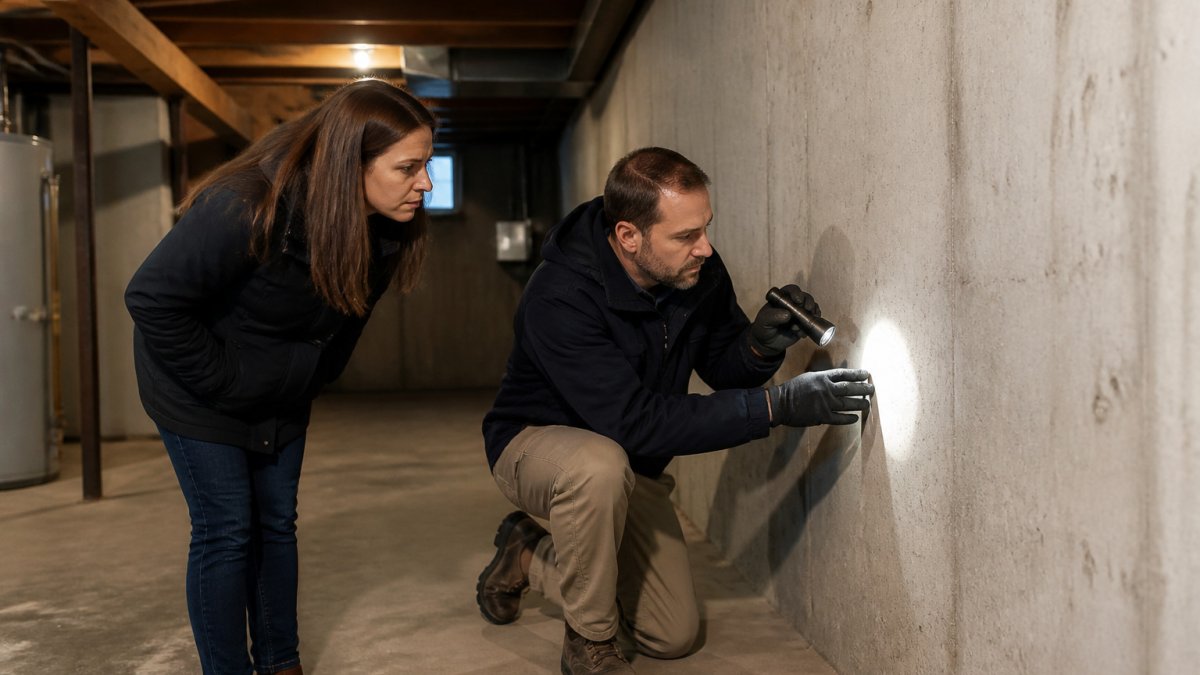
A common mistake is treating the inspection as a pass-fail verdict. A good report describes observed conditions in plain language and separates minor maintenance items from concerns that deserve a specialist’s evaluation. Ask for a sample report to see how findings, photographs, access limitations, and recommendations are organized before you book. You can review a sample FalconPoint home inspection report to see how findings and photos are documented.
Average Cost of Radon Testing in Lakewood and Other Add-Ons
Radon testing is one of the most common add-ons requested alongside a home inspection. Radon testing is not among the services verified for FalconPoint Inspections LLC, so please confirm with your inspector whether it is available and how it is priced.
Ask your inspector which additional services, if any, are included in the base visit and which carry an additional fee.
Choosing an Inspector and Booking Yours Before Closing
Start by confirming that the inspector is independent and carries professional insurance. FalconPoint Inspections LLC is insured for professional liability (E&O) and general liability. Ask any inspector how they handle recommendations for contractors and whether they accept referral fees.
Ask to see a sample report before you hire. Clear reports can include property-specific photographs and plain-language observations. If you are selling a townhome or condo, ask whether the inspector evaluates shared components and tailors the scope to that property type. Landlords can ask whether the inspector produces documented interior condition reports suitable for lease agreements.
Book early in the transaction so the inspection can be completed before your contingency deadline. You can schedule a FalconPoint home inspection in Lakewood or another Colorado Front Range service area, and you can review our full range of inspection services for the property in front of you, including buyer, pre-listing, condo, townhome, new-home, and rental options. Our Lakewood home inspection services page describes what we offer locally.
Under a typical purchase contract, the inspection period runs for a set number of days after acceptance, so scheduling promptly helps protect your options.
Frequently Asked Questions
What is the average cost of a home inspection in Lakewood for 2026?
Pricing depends on the size of the home, its age, the property type and any add-on services you request, so no single figure applies to every property. The most accurate way to know your cost is to check the FalconPoint Inspections LLC pricing page or request a quote for your specific address. Comparing a written quote against the scope of work listed on it helps you see exactly what the fee covers before you book.
Does the square footage of a home affect inspection costs in Lakewood?
Yes, square footage is one of the main factors inspectors use when setting a fee, because a larger home takes more time to examine across its rooms, systems, roof, exterior and crawl or basement areas. Multi-level homes and properties with several outbuildings may also require additional time. Ask for a quote based on your home’s actual square footage and features so the price reflects the work involved rather than a generic estimate.
Are there additional fees for specialized inspections like radon or mold?
Whether specialized tests such as radon or mold assessments are available, and how they are priced, should be confirmed with your inspector. Confirm with your inspector which add-ons are included in the base fee and which are priced separately before you schedule the appointment.
How do I choose a qualified home inspector in the Lakewood area?
Look for an inspector who is independent and carries professional liability (errors and omissions) and general liability insurance. Ask whether the inspector documents access limitations, includes property-specific photographs and recommends qualified contractors when issues need follow-up. Avoid any inspector who pressures you toward particular repairs or vendors.
Ready to move forward with confidence? Schedule an inspection with FalconPoint Inspections LLC and receive a clear, unbiased report on the observable condition of your property.